


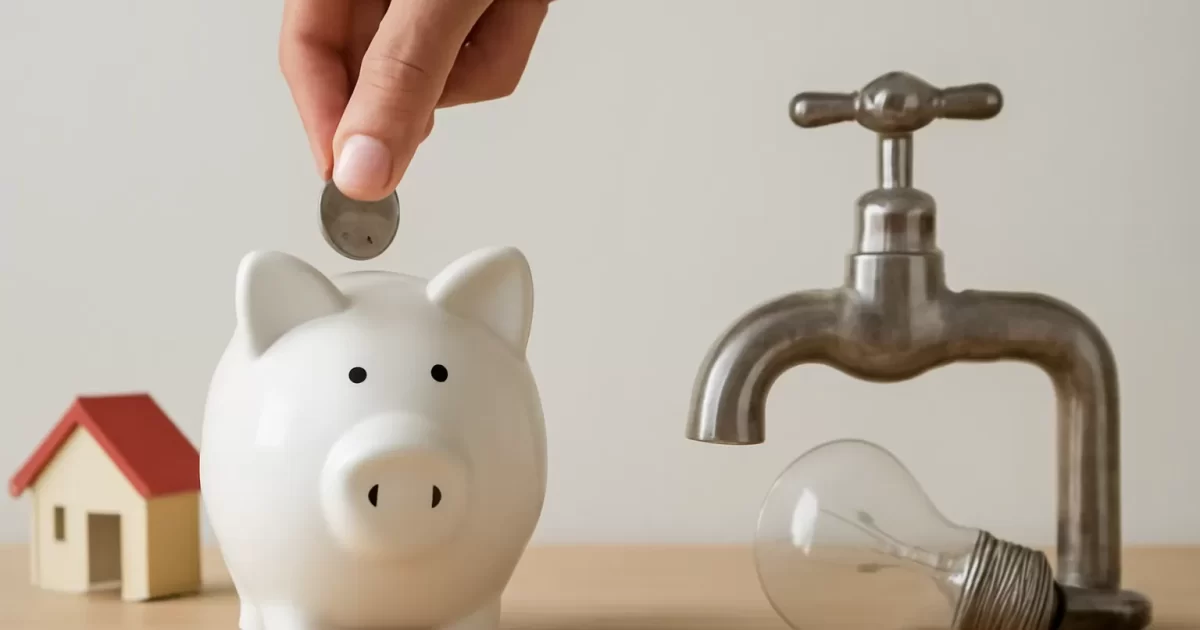
1. Optimize Your Electricity Usage
Saving on electricity isn’t just about turning off lights when you leave a room. It’s about investing wisely and embracing technology that supports energy conservation.
Invest in Energy-Efficient Appliances
Replacing old appliances with energy-efficient models can significantly cut your electricity bill. Look for appliances with the Energy Star label, which indicates they meet energy efficiency guidelines. Although these might have a higher upfront cost, they pay for themselves in the long run through reduced energy consumption.
Utilize Smart Home Technology
Smart home devices, like thermostats and lighting systems, offer control even when you’re not home. For instance, smart thermostats adjust climate settings automatically based on your schedule, reducing unnecessary usage and lowering costs.
2. Reduce Your Water Consumption
Water conservation doesn’t just benefit the environment; it also reduces monthly utilities.
Fix Leaks and Install Water-Saving Fixtures
Addressing leaky faucets and toilets is crucial, as these can waste gallons of water per day. Installing water-saving fixtures like low-flow showerheads and faucets can make a noticeable difference.
Practice Mindful Water Use
Simple habits—like turning off the tap while brushing your teeth—add up. Opt for shorter showers, and consider using a broom instead of a hose to clean driveways.
3. Cut Down on Heating and Cooling Expenses
Heating and cooling are often the largest energy expenses in a household. Here’s how to manage them better.
Implement Insulation Improvements
Proper insulation helps retain heat in winter and cool air in summer. Consider adding insulation to attics and walls. Weatherstripping doors and windows can also reduce energy leakage.
Use Programmable Thermostats
These thermostats adjust to your lifestyle, ensuring optimal temperatures without wasting energy. Set them to lower heating or cooling when you’re asleep or away.
4. Leverage Renewable Energy Options
Consider sustainable energy solutions to offset traditional utility expenses.
Consider Solar Panel Installation
Solar panels can drastically reduce, or even eliminate, your electricity bill. Many regions offer incentives and rebates to offset installation costs, making them a viable option for cost savings.
Explore Wind and Geothermal Energy Solutions
While less common, wind and geothermal systems can be effective in reducing dependency on traditional power sources, though suitability varies based on location and climate.
5. Reevaluate Your Service Providers
Selecting the right service providers can lead to significant savings with minimal effort.
Compare Electricity and Gas Plans
Regularly review and compare plans. You might find cheaper options or promotions that better fit your needs.
Negotiate Better Rates
Communicate with your providers. Sometimes, simply asking can result in discounts or improved rates, especially if you demonstrate loyalty or intent to switch.
FAQs
How can I measure and monitor my energy usage effectively? Utilizing smart meters and mobile apps will provide real-time feedback on your energy consumption, helping you adapt your habits efficiently.
What are the most cost-effective home improvements to reduce utility bills? Insulation upgrades, programmable thermostats, and low-flow water fixtures are typically among the most impactful changes for long-term savings.