


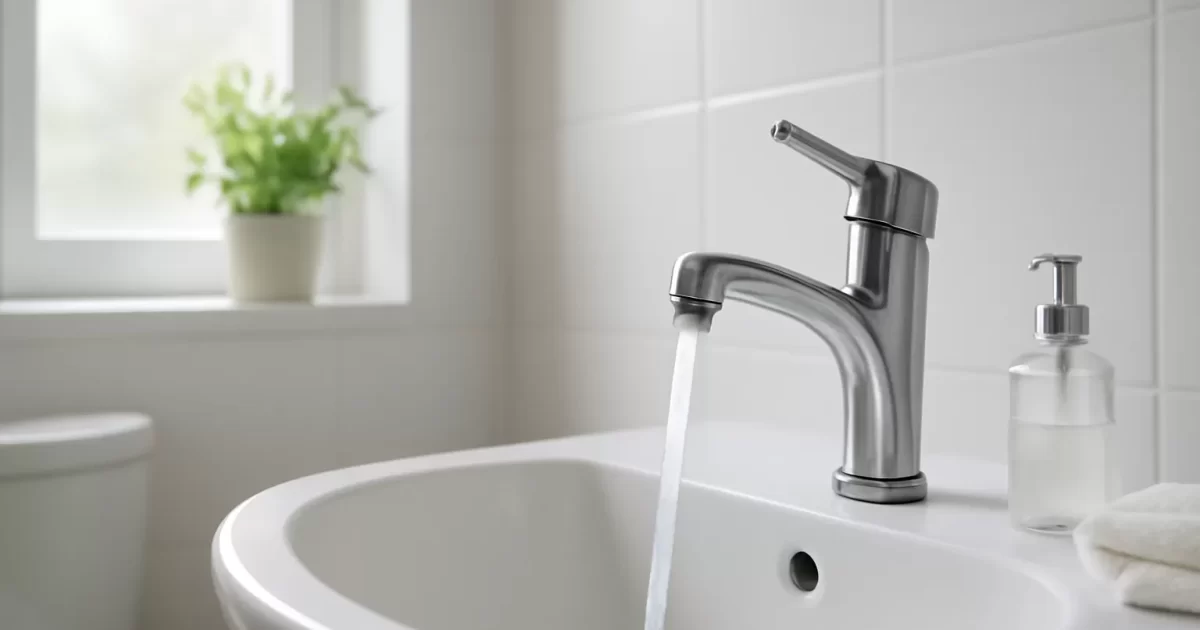
Use Less Water While Bathing
Showering efficiently is key to reducing water use. You can start by cutting down your shower time. Even shaving off two minutes can save gallons.
Shorten Your Shower Time
A typical shower uses about 2.1 gallons per minute. Keeping it short not only conserves water but also reduces your utility bills.
Install Water-Saving Shower Heads
Consider installing water-saving shower heads, which can significantly cut water usage while maintaining pressure.
Fix Leaks Promptly
Check for Leaks Regularly
Regular inspections help identify dripping faucets or running toilets, preventing water wastage.
Benefits of Fixing Leaky Faucets
Stopping leaks saves water and money. A single drip per second can waste over 3,000 gallons a year. Quick fixes can have a significant impact.
Efficient Use of Dishwashers and Washing Machines
Only Run Full Loads
Make sure your dishwasher and washer are full before running them. This maximizes efficiency and cuts unnecessary water and energy use.
Use Eco-Friendly Settings
Many devices come with eco settings that use less water. These programs are designed to maintain performance while being environmentally friendly.
Mindful Lawn and Garden Watering
Water Plants in the Morning or Evening
To minimize evaporation, water your plants during cooler periods of the day. This ensures that water reaches the roots more effectively.
Use Rainwater for Irrigation
Collect rainwater in barrels and use it for irrigation. It’s a sustainable way to provide water without drawing from the main supply.
Collect and Reuse Greywater
Set Up a Greywater System
Greywater systems allow you to reuse water from baths, sinks, and washers for irrigation, saving on water bills over time.
Utilize Greywater for Gardening
Use greywater to water your garden. It’s a sustainable practice that’s environmentally friendly and economical.
Pros and Cons of Water-Saving Techniques
Pros: Cost Savings and Environmental Benefits
These practices reduce water bills and lessen environmental impact. Conserving water helps preserve resources for the future.
Cons: Initial Setup Costs and Maintenance
Some methods, like installing new systems or appliances, require upfront investment. Regular maintenance is essential to ensure they’re working efficiently.
Final Verdict: Adopt a Habit Today
Simplify Your Approach
You don’t need to transform your life overnight. Start small by adopting simple habits, like turning off the tap when brushing teeth.
Long-Term Benefits of Water Conservation
By changing habits, you not only save water but also contribute positively to the environment, ensuring a sustainable future for generations.
FAQs
What are the easiest ways to start saving water at home?
Begin by fixing leaks, reducing shower times, and ensuring appliances run only with full loads. Simple changes can make a significant difference.
How does water conservation impact utility bills?
Water conservation leads to lower water usage, reducing utility bills significantly, especially if large volumes are being saved through consistent practices.