


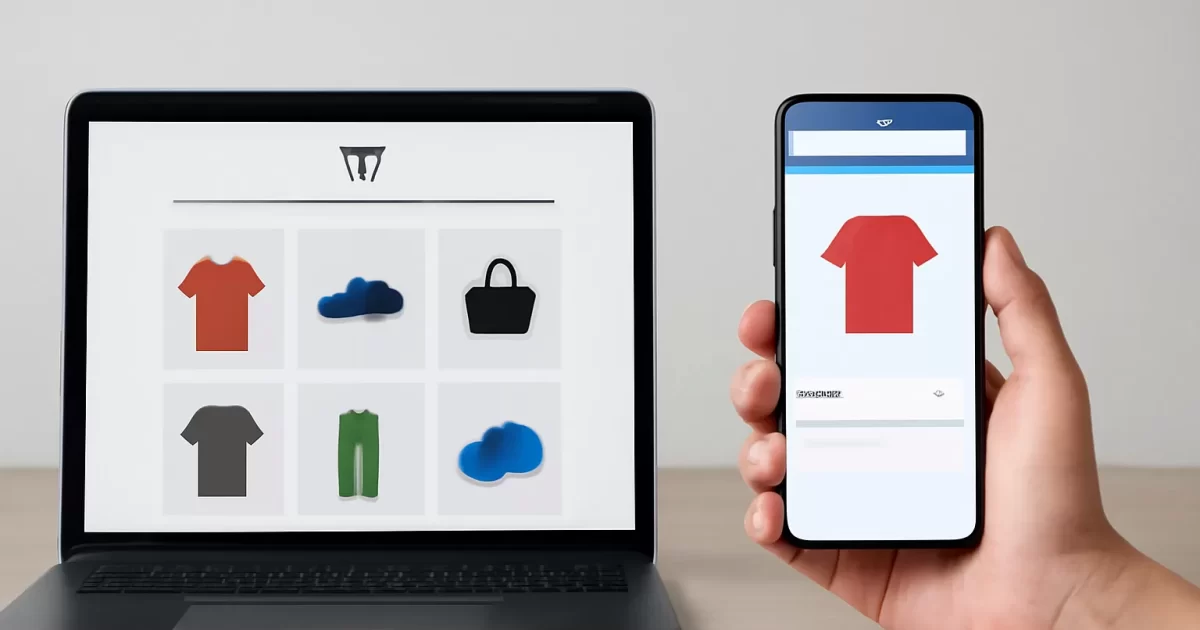
Design
Customizability of Own Online Store
When it comes to design, the allure of an independent online store lies in its customizability. Business owners have the freedom to carve out a space that wholly reflects their brand identity, right from the color palette to the layout of content. With platforms like Shopify or WooCommerce, it’s possible to incorporate bespoke features and unique designs that cater to specific user needs.
Design Options on Social Media Platforms
In contrast, social media platforms offer limited design options. They provide templates that ensure consistency but lack individuality. Your brand presence is dictated by the platform’s predefined structures, which can sometimes hamper creativity. However, this restriction can also serve as a time-saving advantage for those looking to launch with minimal setup time.
Performance
Speed and Functionality of Independent Stores
An independent online store can be optimized for speed and performance, directly influencing the customer experience. With full control over the hosting environment, you can ensure faster loading times and integrate advanced functionalities that enhance the shopping experience.
Efficiency of Social Media Sales Tools
Social media sales tools excel in simplicity and integration. These platforms streamline the purchasing process by leveraging their existing user base and providing seamless transaction processes. However, the trade-off is limited control over the checkout experience and potential challenges with data analytics.
Pros and Cons
Advantages of Having Your Own Online Store
- Brand Control: Every aspect is tailored to your specifications.
- Scalability: Accommodates growth with unlimited expansion possibilities.
- Analytics: You gain deep insights into user behavior.
Drawbacks of Selling Through Social Media
- Lack of Control: Limited ability to personalize the shopping experience.
- Community Restrictions: Bound by the platform’s evolving policies.
- Dependency: Reliant on the platform for audience reach and visibility.
Comparative Analysis
Ultimately, the choice between an online store and social media depends on your business model. For unique branding and comprehensive customer data, an online store is the winner. However, for quick, direct access to a pre-established audience, social media can be invaluable.
Pricing
Cost Implications of Setting Up an Online Store
Building an online store involves costs related to hosting, design, and maintenance. However, these initial investments can yield substantial returns through loyalty and conversions.
Expense Considerations on Social Media Platforms
Social media platforms generally offer a lower entry barrier with free account creation. Costs arise primarily from promotional activities and platform fees, which scale with sales volume.
Final Recommendation
Which Option is Best for Specific Business Types
The decision largely hinges on your business type. Small startups might benefit from the low-cost entry of social media, whereas established brands wishing to deepen their market presence might venture into dedicated online stores.
Long-Term Growth and Scalability Considerations
For those aiming for substantial growth, having an online store provides unparalleled scalability and control over future developments. Being the sole gateway to your brand, it empowers more significant experimentation and detailed audience engagement.
FAQs
What are the main challenges of setting up your own online store?
Setting up your online store involves technical knowledge, financial investment, and time, as well as ongoing maintenance to ensure security and performance.
How can social media platforms limit my business growth?
Social media can limit growth due to dependence on algorithms, restricted personalization options, and compliance with evolving platform policies that might not align with your business goals.