


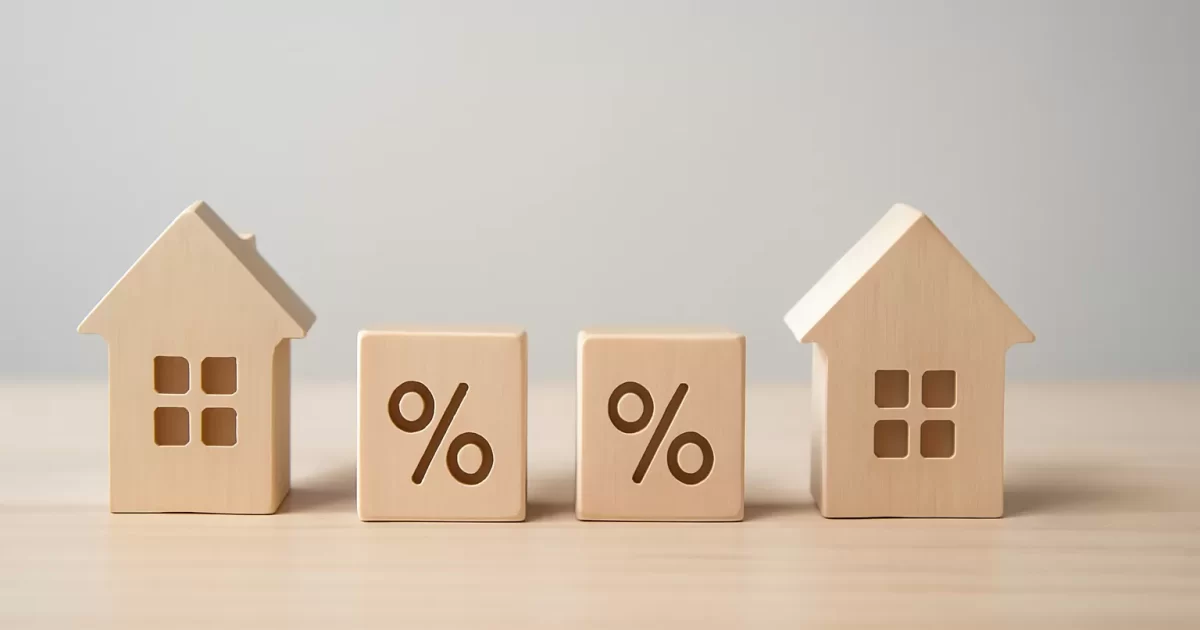
Introduction to Loan Interest Rates
What is an Interest Rate?
When you borrow money, an interest rate is the cost you pay on top of the loan amount. It’s typically expressed as a percentage of the total loan, applied over a period. Banks use this to profit from lending money, while borrowers accept this cost for the convenience of accessing funds immediately.
Understanding Loan Types
Loans generally fall into two categories: those with a fixed interest rate and those with a variable interest rate. Choosing between the two depends on your financial goals and tolerance for risk.
Design of Fixed and Variable Interest Rates
Structure of Fixed Interest Rates
Fixed interest rates remain constant throughout the loan’s life, offering predictability and stability. Borrowers know exactly what they owe each month, which helps in budgeting and long-term financial planning.
Structure of Variable Interest Rates
Variable interest rates fluctuate over time, often in alignment with an index like the prime rate. This means monthly payments can vary, which may lead to lower costs initially, but potential increases in the future.
Performance in Different Economic Scenarios
Fixed Interest Rate Performance
In stable or rising interest rate environments, fixed rates are advantageous as they remain unaffected by market trends. Borrowers can secure a favorable rate and maintain consistent payments even when rates increase.
Variable Interest Rate Performance
Variable rates perform best in declining interest rate markets, potentially decreasing your monthly payments. However, they can also lead to uncertainty and higher costs if rates rise unexpectedly.
Pros and Cons
Advantages of Fixed Interest Rates
- Predictable monthly payments
- Protection against market fluctuations
- Better for long-term planning
Disadvantages of Fixed Interest Rates
- Potentially higher initial rates
- Miss out on lower payments if rates drop
Advantages of Variable Interest Rates
- Typically starts with a lower rate
- Can decrease if market conditions improve
Disadvantages of Variable Interest Rates
- Payment uncertainty
- Possibility of rate and payment increases
Pricing Comparison
Cost Analysis Over Loan Term
Understanding the cost implications of each interest type is crucial. Here’s a simplified table for comparison:
| Interest Type | Initial Rate | Long-term Cost |
|---|---|---|
| Fixed | Higher | Predictable |
| Variable | Lower | Variable |
Example Scenarios
Imagine you’re financing a house: a fixed-rate mortgage secures steady monthly payments, ideal for tight budgets. A variable rate could mean savings initially, but with potential cost increases as rates fluctuate.
Final Recommendation
Which Loan Type Suits Your Needs?
Your choice hinges upon market predictions and personal stability. Fixed rates suit those valuing certainty, while variable rates are attractive for those anticipating rate drops and accepting some risk.
Other Considerations
Consider your risk tolerance, future financial goals, and current economic outlook. Engage with a financial advisor to explore tailored options aligning with your circumstances.
💡 Lectura recomendada: 10 Ways to Avoid Paying Unnecessary Interest
FAQs
What is the main benefit of choosing a fixed interest rate loan?
Predictable and stable monthly payments.
How does a variable interest rate affect my monthly payments?
Payments fluctuate based on market rates, potentially increasing or decreasing over time.